Domain fußball-tshirt.de kaufen?
Wir ziehen mit dem Projekt
fußball-tshirt.de um.
Sind Sie am Kauf der Domain
fußball-tshirt.de interessiert?
domain@kv-gmbh.de · 0541-91531010
Domain fußball-tshirt.de kaufen?
Was bedeutet "hors taxes" im Bezug auf den Einkaufspreis in Luxemburg?
"Hors taxes" bedeutet im Bezug auf den Einkaufspreis in Luxemburg, dass der Preis ohne Mehrwertsteuer angegeben ist. Das bedeutet, dass die Mehrwertsteuer noch hinzugerechnet werden muss, um den endgültigen Preis zu erhalten. In Luxemburg beträgt die Mehrwertsteuer derzeit 17%. **
Travelling or traveling?
Both "travelling" and "traveling" are correct spellings of the word, but they are used in different regions. "Travelling" is more commonly used in British English, while "traveling" is more commonly used in American English. **

Ähnliche Suchbegriffe für Fair-taxes-or-budget
Top-Angebote
Produkte zum Begriff Fair-taxes-or-budget:
-
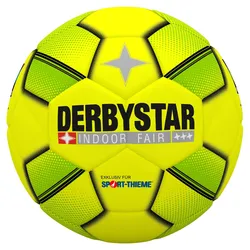
Hallenfußball Indoor Fair Fußball Unisex Gelb-Grün**Derbystar Fußball Indoor ein beliebter Hallenfußball für Schule und Verein** Der Derbystar Fußball Indoor ist ein Indoor-Fußball aus Synthetik-Velours mit gedämpften Sprungeigenschaften. Er ist speziell für den Einsatz auf Hallenboden und Kunstrasen konzipiert. Dank seiner hochwertigen Verarbeitung zeigt er sich im täglichen Gebrauch sehr robust und abriebfest. Schulen und Vereine setzen den Hallenfußball aufgrund seiner Haltbarkeit und guten Spieleigenschaften besonders gerne ein. Bei Wettbewerben wird er für die Spielklassen A-, B-, C-Jugend, Herren und Damen genutzt. Darüber hinaus besitzt der Derbystar INDOOR ein Fairtrade-Zertifikat – das heißt, er wurde unter Bedingungen produziert und gehandelt. Sein leuchtendes Design macht ihn zu einem optischen Highlight auf dem Spielfeld und sorgt für gute Sichtbarkeit. Balltyp: Hallenfußball, Trainingsball, Wettspielball Verarbeitung: Genäht Für wen: Jugendliche, Erwachsene Umfang: 68-69 cm Gewicht: 420-440 g Altersklasse: ab 14 Jahre Spielklasse: A-/B-/C-Junioren, Herren/Damen Farbe: Gelb-Grün Material Oberfläche: Synthetik-Velour Struktur Oberfläche: Ohne Struktur Einsatzbereich: Training, Wettkampf Altersgruppe: U14/U19 Blase: Null-Flügel (Latex) Luftdruck: 0,7-0,9 bar Zertifikat: Fairtrade Ballgröße: 553,48 €*Versand: 0,00 €Sichere Weiterleitung zum Anbieter
-
Tessloff DFB PAULE Fußball Mitmach-Heft Fair PlayAdler PAULE, das Maskottchen der deutschen Nationalmannschaft(en), lädt zum Mitmachen ein! Was bedeutet „Fair Play“? Was macht faires Verhalten von Sportlern, Trainern, Schiedsrichtern und Fans aus? Team Play, Torschuss, Foul – beim Rätseln, Malen und Stickern werden kleine Fans zu richtigen Fair Play-Profis und fit für die WM!6,95 €*Versand: 6,90 €Sichere Weiterleitung zum Anbieter

-
Cake or fake?
It depends on the context. If you are asking about a choice between eating cake or something that is not real, then cake would be the preferred option. However, if you are asking about the authenticity of something, then fake would imply that it is not genuine or real. **
-
Do or make?
The choice between "do" and "make" depends on the context and the specific action being referred to. "Do" is generally used for activities or actions that involve performing or carrying out something, while "make" is used for creating or producing something tangible. For example, you would say "do your homework" but "make a cake." **
-
Will or gonna?
"Will" and "gonna" are both used to express future actions, but there are slight differences in their usage. "Will" is more formal and is used in more formal situations, while "gonna" is a more informal and colloquial way of expressing future actions. **
-
Doesn't or don't?
The correct form to use depends on the subject of the sentence. "Doesn't" is used with singular subjects, while "don't" is used with plural subjects. For example, "He doesn't like coffee" (singular subject) and "They don't like coffee" (plural subject). **
Do or does?
The choice between "do" and "does" depends on the subject of the sentence. "Do" is used with plural subjects and "does" is used with singular subjects. For example, "They do their homework" and "She does her homework." **
Anyway or anyways?
Both "anyway" and "anyways" are commonly used in spoken English to mean the same thing. However, "anyway" is more widely accepted and considered to be the standard form. "Anyways" is often considered to be more informal or colloquial. **
Top-Angebote
Produkte zum Begriff Fair-taxes-or-budget:
-
Hallenfußball Indoor Fair Fußball Unisex Gelb-Grün**Derbystar Fußball Indoor ein beliebter Hallenfußball für Schule und Verein** Der Derbystar Fußball Indoor ist ein Indoor-Fußball aus Synthetik-Velours mit gedämpften Sprungeigenschaften. Er ist speziell für den Einsatz auf Hallenboden und Kunstrasen konzipiert. Dank seiner hochwertigen Verarbeitung zeigt er sich im täglichen Gebrauch sehr robust und abriebfest. Schulen und Vereine setzen den Hallenfußball aufgrund seiner Haltbarkeit und guten Spieleigenschaften besonders gerne ein. Bei Wettbewerben wird er für die Spielklassen A-, B-, C-Jugend, Herren und Damen genutzt. Darüber hinaus besitzt der Derbystar INDOOR ein Fairtrade-Zertifikat – das heißt, er wurde unter Bedingungen produziert und gehandelt. Sein leuchtendes Design macht ihn zu einem optischen Highlight auf dem Spielfeld und sorgt für gute Sichtbarkeit. Balltyp: Hallenfußball, Trainingsball, Wettspielball Verarbeitung: Genäht Für wen: Jugendliche, Erwachsene Umfang: 68-69 cm Gewicht: 420-440 g Altersklasse: ab 14 Jahre Spielklasse: A-/B-/C-Junioren, Herren/Damen Farbe: Gelb-Grün Material Oberfläche: Synthetik-Velour Struktur Oberfläche: Ohne Struktur Einsatzbereich: Training, Wettkampf Altersgruppe: U14/U19 Blase: Null-Flügel (Latex) Luftdruck: 0,7-0,9 bar Zertifikat: Fairtrade Ballgröße: 553,48 €*Versand: 0,00 €Sichere Weiterleitung zum Anbieter
-
Tessloff DFB PAULE Fußball Mitmach-Heft Fair PlayAdler PAULE, das Maskottchen der deutschen Nationalmannschaft(en), lädt zum Mitmachen ein! Was bedeutet „Fair Play“? Was macht faires Verhalten von Sportlern, Trainern, Schiedsrichtern und Fans aus? Team Play, Torschuss, Foul – beim Rätseln, Malen und Stickern werden kleine Fans zu richtigen Fair Play-Profis und fit für die WM!6,95 €*Versand: 6,90 €Sichere Weiterleitung zum Anbieter
-
Was bedeutet "hors taxes" im Bezug auf den Einkaufspreis in Luxemburg?
"Hors taxes" bedeutet im Bezug auf den Einkaufspreis in Luxemburg, dass der Preis ohne Mehrwertsteuer angegeben ist. Das bedeutet, dass die Mehrwertsteuer noch hinzugerechnet werden muss, um den endgültigen Preis zu erhalten. In Luxemburg beträgt die Mehrwertsteuer derzeit 17%. **
-
Travelling or traveling?
Both "travelling" and "traveling" are correct spellings of the word, but they are used in different regions. "Travelling" is more commonly used in British English, while "traveling" is more commonly used in American English. **
-
Cake or fake?
It depends on the context. If you are asking about a choice between eating cake or something that is not real, then cake would be the preferred option. However, if you are asking about the authenticity of something, then fake would imply that it is not genuine or real. **
-
Do or make?
The choice between "do" and "make" depends on the context and the specific action being referred to. "Do" is generally used for activities or actions that involve performing or carrying out something, while "make" is used for creating or producing something tangible. For example, you would say "do your homework" but "make a cake." **
Ähnliche Suchbegriffe für Fair-taxes-or-budget
-
Will or gonna?
"Will" and "gonna" are both used to express future actions, but there are slight differences in their usage. "Will" is more formal and is used in more formal situations, while "gonna" is a more informal and colloquial way of expressing future actions. **
-
Doesn't or don't?
The correct form to use depends on the subject of the sentence. "Doesn't" is used with singular subjects, while "don't" is used with plural subjects. For example, "He doesn't like coffee" (singular subject) and "They don't like coffee" (plural subject). **
-
Do or does?
The choice between "do" and "does" depends on the subject of the sentence. "Do" is used with plural subjects and "does" is used with singular subjects. For example, "They do their homework" and "She does her homework." **
-
Anyway or anyways?
Both "anyway" and "anyways" are commonly used in spoken English to mean the same thing. However, "anyway" is more widely accepted and considered to be the standard form. "Anyways" is often considered to be more informal or colloquial. **
* Alle Preise verstehen sich inklusive der gesetzlichen Mehrwertsteuer und ggf. zuzüglich Versandkosten. Die Angebotsinformationen basieren auf den Angaben des jeweiligen Shops und werden über automatisierte Prozesse aktualisiert. Eine Aktualisierung in Echtzeit findet nicht statt, so dass es im Einzelfall zu Abweichungen kommen kann. ** Hinweis: Teile dieses Inhalts wurden von KI erstellt.